X air up® / Munich / 2026
CELEBRATING THE BEAUTY AND DIVERSITY OF SIX COUNTRIES WITH A PLAYFUL ART EDITION FOR AIR UP
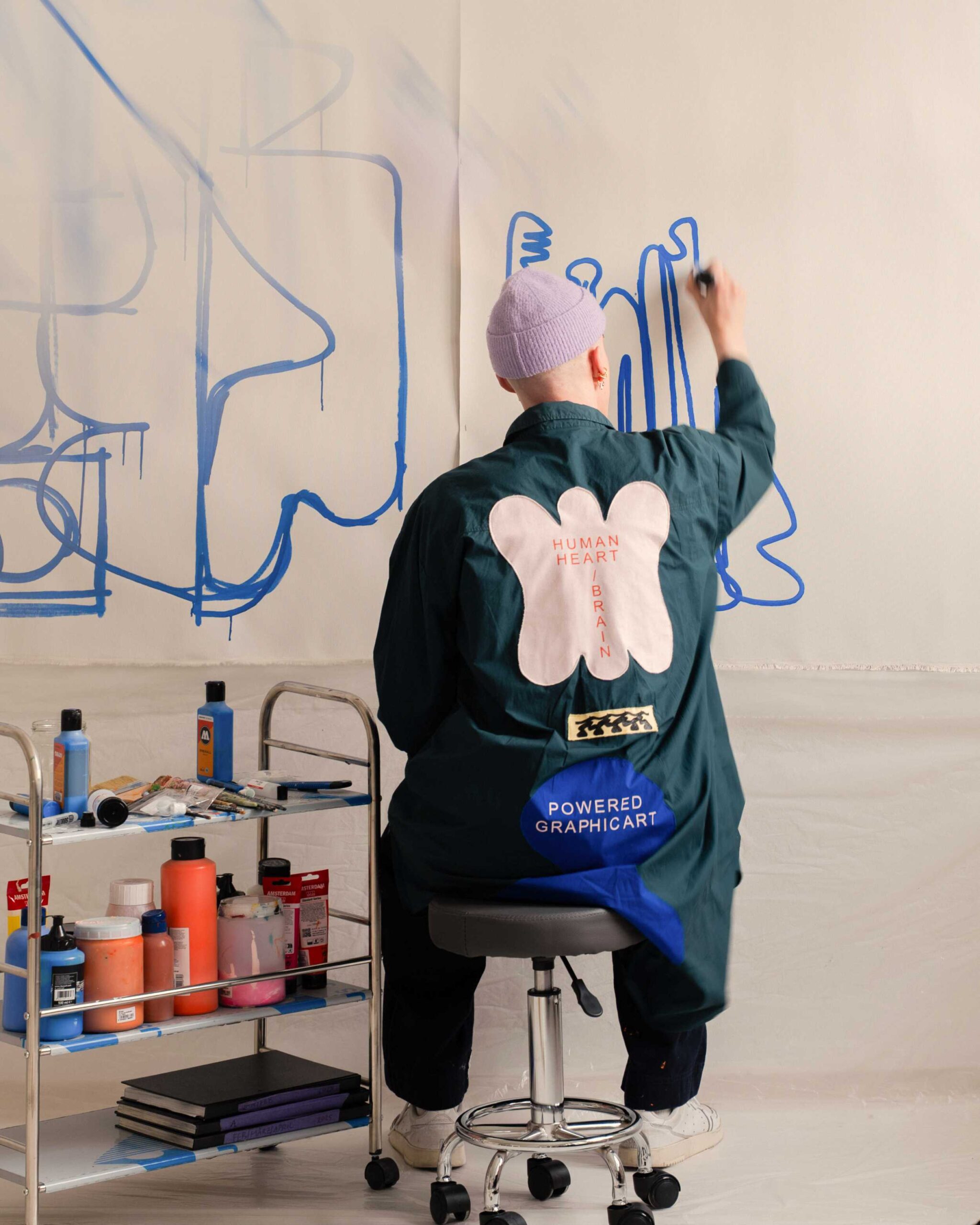
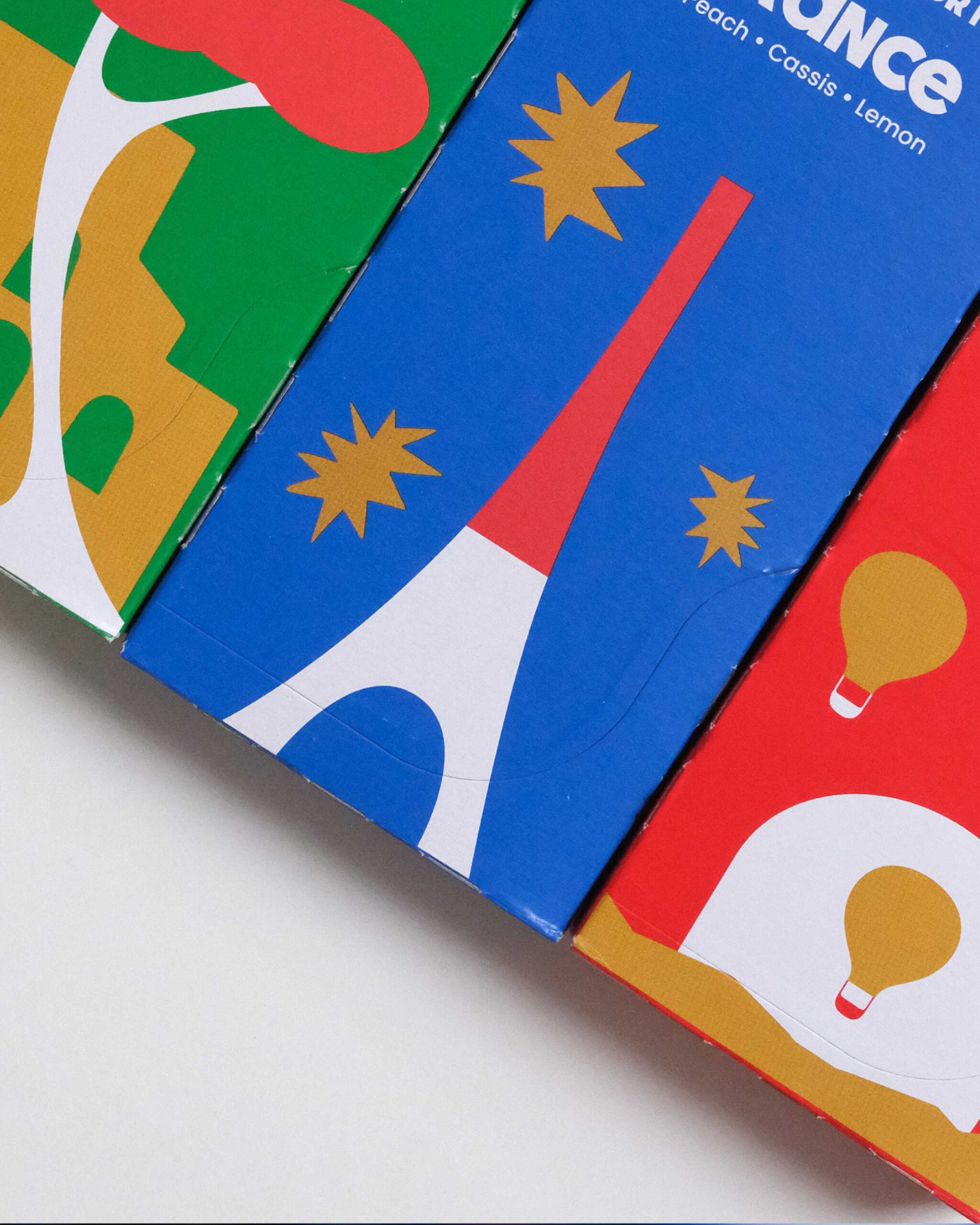
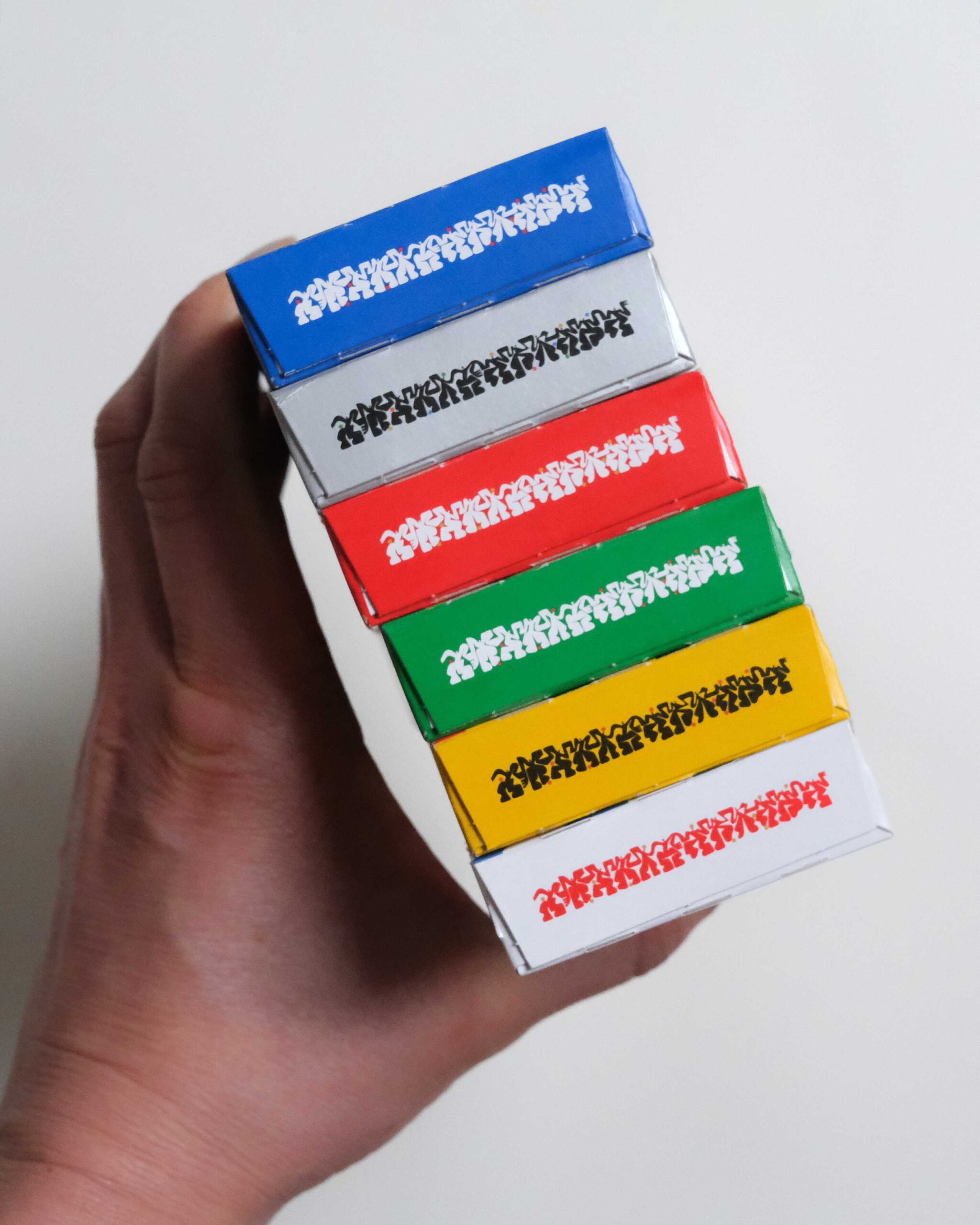
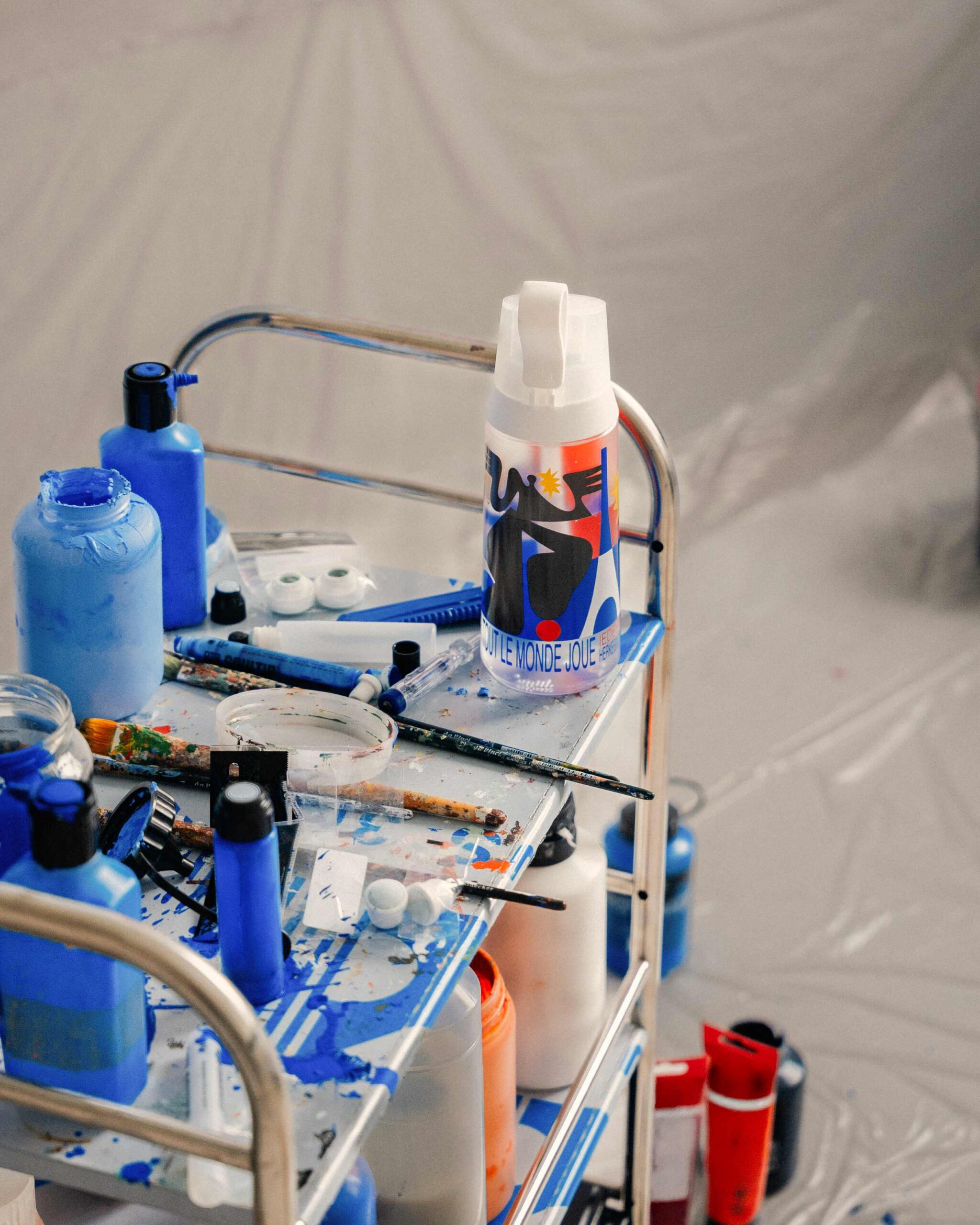
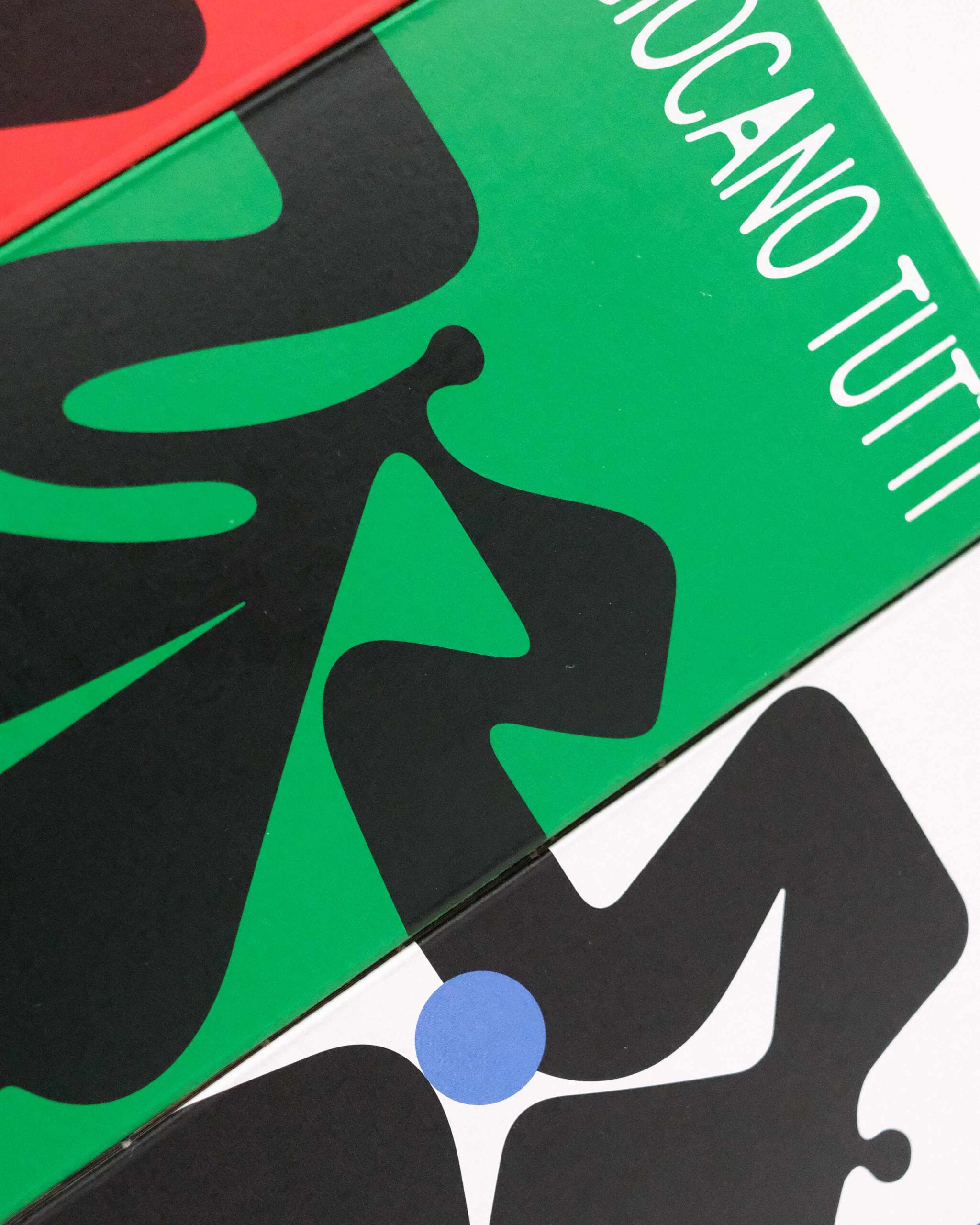
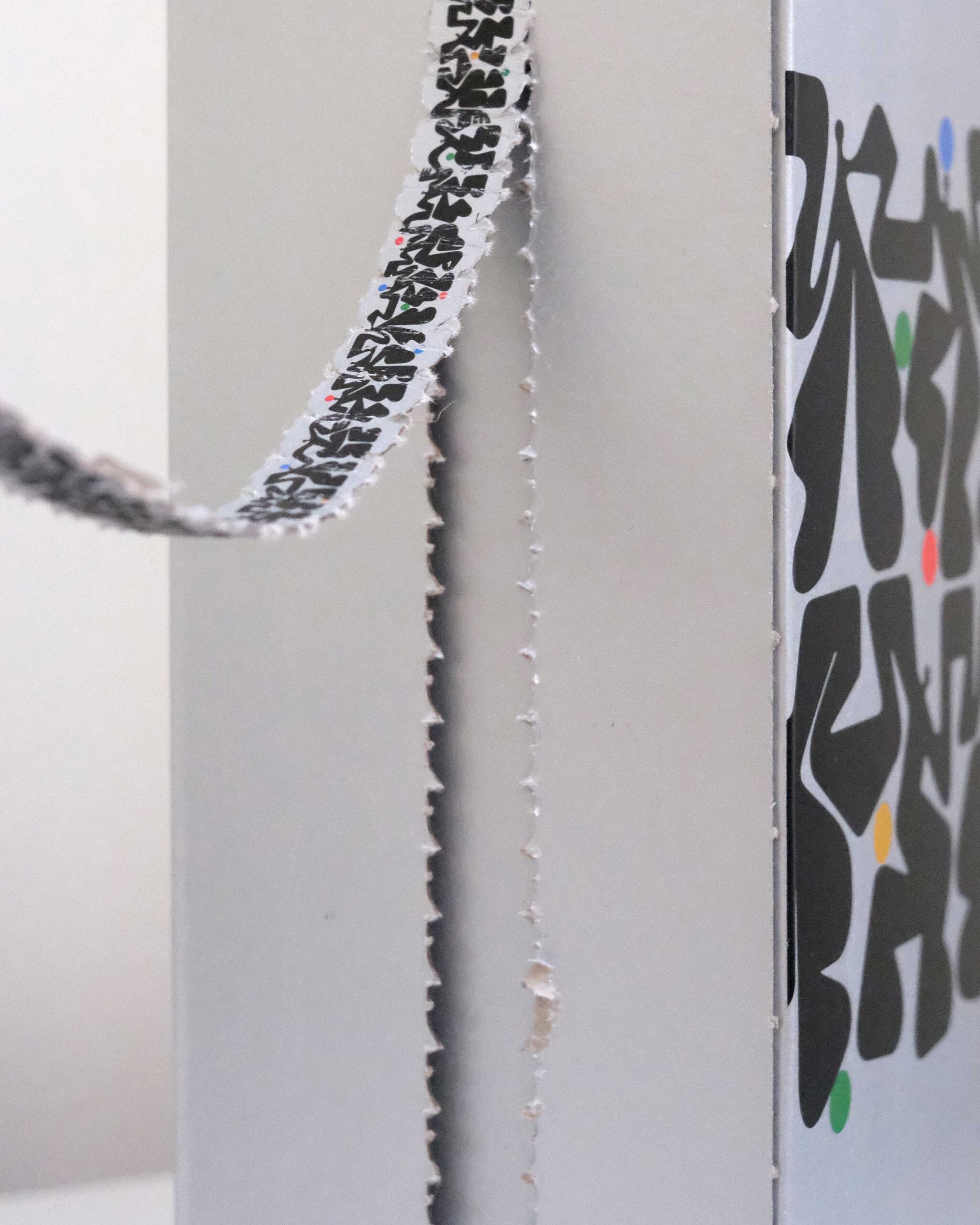
For GABE the ‘Everybody Plays’ art edition for air up® was one of the most challenging and also most exciting collaborations to date. In a team effort they developed 6 different bottle designs, that aim to celebrate diversity and inclusivity as they highlight the beauty of different places and their people. While working with country’s flag colors and relatable references GABE wanted to avoid nationalism and emphasize what we can offer each other instead.
Besides the “country bottles”, there is also the “Unity Bottle”, that was more of a blank canvas, that GABE was invited to work freely with.
To accompany the release of the collection air up® produced an artist portrait video as well as animations of GABE’s artworks.
“WHEN GABE SENT IN THEIR VISUAL CONCEPT FOR ‘EVERYBODY PLAYS’, THERE WAS A BIG “WOW” GOING THROUGH THE COMPANY.”
Stephanie Rasche, Brand Marketing Lead
Q&A
The collection is built around the idea of “Everyone Plays”. What does that phrase mean to you creatively, and how did you translate the feeling of inclusivity, unity and shared sporting culture into the artwork?
(G)
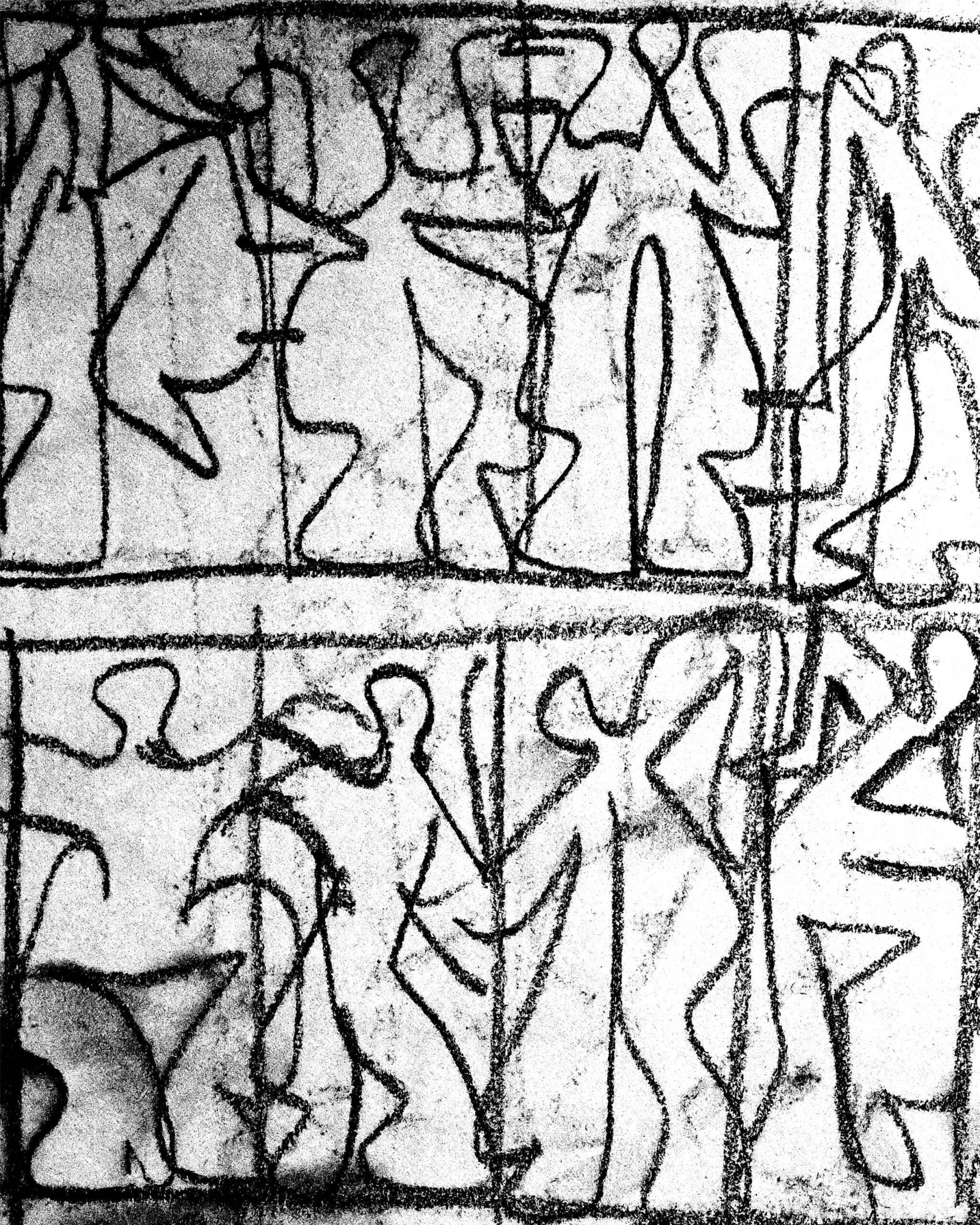
My artworks are mainly built around abstracted figurative forms and from early on I tried to shape a world that all kinds of people can see themselves in. With the figures becoming a vessel for all genders, shapes, ages, backgrounds. It’s is a constant work in progress, but I hope as many people as possible get that feeling from my art. The same way sports and sporting culture could be, and in parts is, such a hub for real inclusivity. Everyone should have the right to play, move, express themselves with their body, that’s why it saddens me a lot that this access is denied for certain people in certain places. For me the most inspiring moments in sports in recent years, were created by women and trans folks, despite systems working against them.
Your work often explores empathy, connection and the richness of human difference, while also making graphic art feel bold, public and accessible. How important was it for this collaboration to make art feel less exclusive and more like something people can carry, use and experience in everyday life?
(G)
The first forms of art I fell in love with as a kid were very accessible, everyday kind of artworks. Like comics, skateboard graphics, graffiti, and album art. So I still believe that it can change and inspire a lot for people, especially young people, to see art outside of the gallery world. Obviously I want to show my work there as well, but getting pictures of our collection sent by excited friends, who came across it in the supermarket, makes me very happy these days.
Football can bring people together across countries, backgrounds and identities, but it can also reflect wider social barriers. How did you approach creating designs that celebrate national personality without losing the bigger message of common ground?
(G)
I feel like there are always challenges, when working with nations. So I tried to emphasize the unique beauty of the countries, that their people enjoy as much as their visitors…
…With more obvious references, but also more subtle ones, like, for example, picking up aspects of Italian design language for the figure in the Italy Bottle. There is so much we can appreciate about different places and different people. We then brought everything together by working with all the languages on all bottles and having the figures as a playful connector.
Much of your practice moves between public art, murals, prints, collaborations and functional objects, including projects such as painted courts, large-scale murals and public sculpture. How does your creative process change when the canvas is something people physically interact with, like a reusable bottle, rather than something they simply look at?
(G)
This has a big impact on the creative process in the way that you have to think differently about the artwork. Who is it for, what’s possible and what isn’t, what is necessary to make it work and last, material, technical restrictions, costs – all of these factors influence the art making. Since I come from the design world I do like the challenge of working in a given framework like that. I feel like mostly it enriches the creation in the end.
Why was the hand-made element important for this collection, and what do you think human imperfection, instinct and collaboration bring to art that technology or AI cannot replicate?
(G)
For our collection the close dialogue with the team of airup, made this project so satisfying and the creation so fun. How we exchanged ideas about these places, took personal memories, experiences, and perspectives into account, changed concepts and adapted to the circumstances, was such a human and collaborative process. I am glad and thankful that we took this approach.
Expressing yourself through creation, your identity, your socialization, your pain and joy, your past and present, your failures, mistakes, and learnings, your conduct and intention – these and a million other aspects of being human, form what you create and can not be replicated at all. Art is about the human experience – what should you connect to if there is non of these things in the backend of the art.
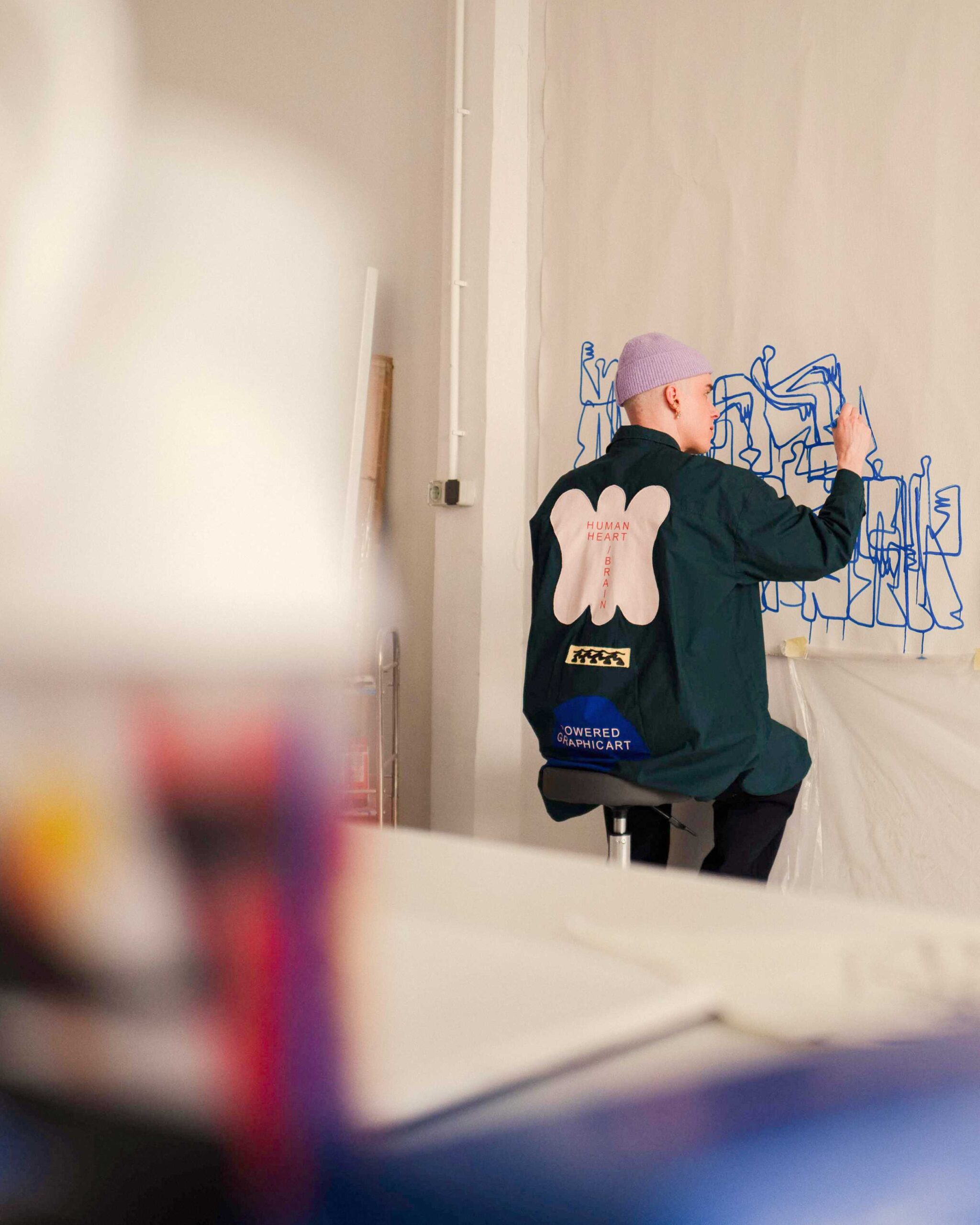
Visual Concept, Artworks and Design by GABE / Creative Direction by Toma Perret / Art Direction by Jaro Kovacs / Project Managment by Eyecandy Artists and Stephanie Rasche
Photography, Direction, and Videography by Sandro Jaeger / Camera and Assistance by Stefan Wetzka and Otto Mos
DO YOU WANT TO COLLABORATE?
♥ HUMAN HEART POWERED GRAPHIC ART ♥ THANKS FOR SUPPORTING ♥ HUMAN BRAIN POWERED GRAPHIC ART ♥ FOR MY FELLOW HUMANS ♥ THANKS FOR SUPPORTING
♥ HUMAN HEART POWERED GRAPHIC ART ♥ THANKS FOR SUPPORTING ♥ HUMAN BRAIN POWERED GRAPHIC ART ♥ FOR MY FELLOW HUMANS ♥ THANKS FOR SUPPORTING
♥ HUMAN HEART POWERED GRAPHIC ART ♥ THANKS FOR SUPPORTING ♥ HUMAN BRAIN POWERED GRAPHIC ART ♥ FOR MY FELLOW HUMANS ♥ THANKS FOR SUPPORTING
♥ HUMAN HEART POWERED GRAPHIC ART ♥ THANKS FOR SUPPORTING ♥ HUMAN BRAIN POWERED GRAPHIC ART ♥ FOR MY FELLOW HUMANS ♥ THANKS FOR SUPPORTING
♥ HUMAN HEART POWERED GRAPHIC ART ♥ THANKS FOR SUPPORTING ♥ HUMAN BRAIN POWERED GRAPHIC ART ♥ FOR MY FELLOW HUMANS ♥ THANKS FOR SUPPORTING
♥ HUMAN HEART POWERED GRAPHIC ART ♥ THANKS FOR SUPPORTING ♥ HUMAN BRAIN POWERED GRAPHIC ART ♥ FOR MY FELLOW HUMANS ♥ THANKS FOR SUPPORTING
♥ HUMAN HEART POWERED GRAPHIC ART ♥ THANKS FOR SUPPORTING ♥ HUMAN BRAIN POWERED GRAPHIC ART ♥ FOR MY FELLOW HUMANS ♥ THANKS FOR SUPPORTING